Sunday, February 23, 2025

Audio Planning

     Audio is vital to any film opening because it sets the narrative for the rest of the film. For my team and I's opening, we plan to start the opening with a black screen, with audio overlaying the screen one by one. The black screen rids the viewer of their sense of sight, leaving all other senses sensitive and heightened. We're using this to our advantage. With different audio of a door banging, dog barking, and alarm ringing, all entering the black screen one by one, being overlayed. This creates a type of sensory overload, setting the narrative as one that is aggressive, sharp, and without order.

Black screen that will take up the screen while
the audio overlaying does its thing


Saturday, February 22, 2025

Another mise-en-scene post?

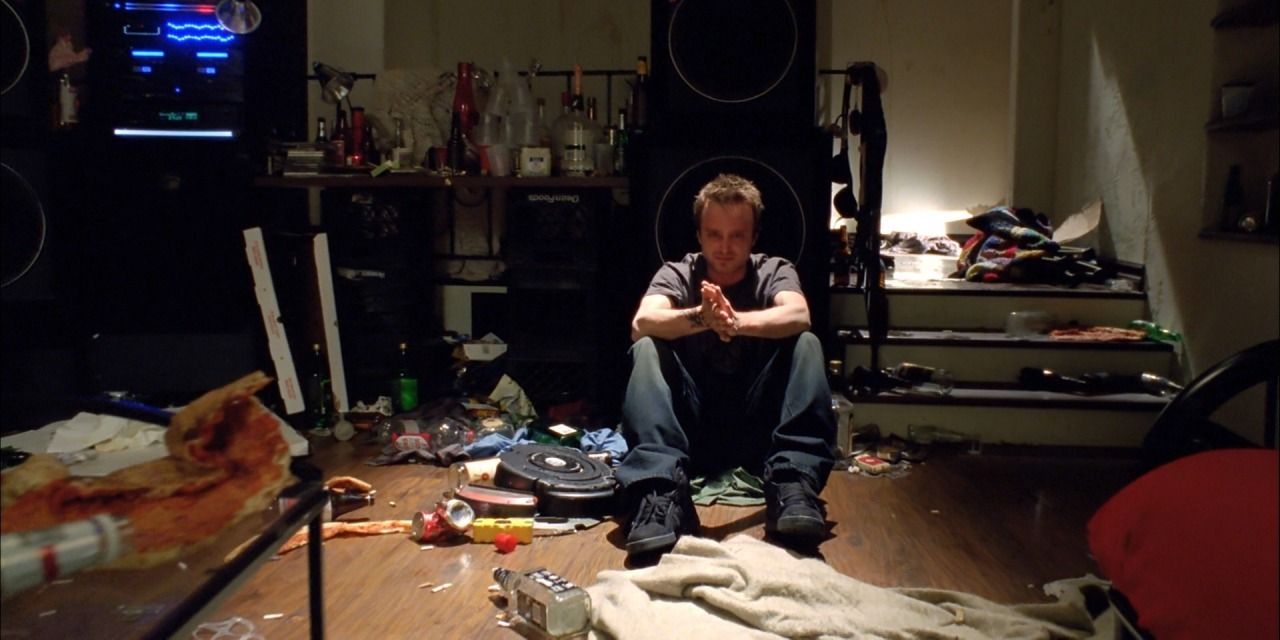
    Mise-en-scène isn’t only about lighting—it’s about storytelling. The entire point of mise-en-scene is to tell stories through objects, textures, and what they mean for the story. They’re the little details that make the big picture. Here, step into this scene: piles of dirty clothes in various wrinkles, some stiff with age, and others still damp from sweat and regret. The room reeks of exhaustion, and each crumpled shirt and forgotten sock narrate a different story of neglect over time. Shadows gather in the deepest darkest corners of the room, and the air is thick with the weight of time.


    Slowly, surfaces holding the residue of cocaine come into frame, a desperation dusting every available surface. It clings to the edges of a scratched coffee table, lingering. It marks a cycle of repetition; everytime a surface gets wiped down, it only gets dirtied again, so why even bother? The light catches the fine particles, making them shine like false promises. The mise-en-scène tells us this isn’t luxury, but rather that this is survival in excess, a white downward spiral. 


    Finally, at the center of it all, a mattress just on the floor. There’s no bed frame and there are no sheets, just a bare rectangle of sturdiness. It’s the stage for the nights that are restless and beg for a show, it’s a makeshift raft in an ocean of clutter. The mise-en-scène is with purpose and tells us: this is not a space of comfort, but of despair. 


This is the setting for my film opening. People always said I was good with imagery.


Can you tell I'm really inspired by Breaking Bad


Thursday, February 20, 2025

Mise-en-scene this, mise-en-scene that, mise-en-scene EVERYTHING!!!

    When designing a scene that commands attention and stirs emotions, lighting is one of THE most powerful tools at the disposer of the filmmaker. Cause, guess what? Light is everywhere! Green lighting, in particular, has this crazy ability to create such a dreadful visual atmosphere that feels unnerving, and daunting. The use of this dramatic green light gives the viewer a sense of unease, pulling them into a world where something just feels the slightest bit off— this is absolute perfection, especially for moments where tension or a diabolical undertone needs to be established.

    Green light and tinting have an undeniable psychological charge on viewers. Green is just one of those colors that can evoke a huge range of emotions. On one hand, it can symbolize life, growth, and happiness, but on the other hand, when used in a dramatic setting, like our film opening, it often implies something unnatural or threatening. Think of sickly hue casts over scenes involving sickness or decay, or that unnatural glow in a moment of distorted reality. This particular shade of light has frequently been used in genre films—especially horror and science fiction—to tell its viewers something is plain wrong.

    When incorporating green lighting into a film (of any kind), consider how exactly it interacts with the space. The light can be cold, harsh, and unrelenting, washing out the set with an eerie aftertaste in your mouth. OR, in contrast, it can be much softer and delicate, casting long, sharp shadows, and just furthering that feeling of instability. This type of lighting doesn’t just illuminate—it transforms the space, turning everyday objects into things of menace. A room bathed in green light might feel claustrophobic like the walls are closing in. This can be achieved by using gels, filters, or even colored bulbs to manipulate the light’s intensity.

Example showcasing the power of green color washing

    The placement of a dramatic, green light plays another vital role in terms of the emotional impact the scene holds. Even the smallest bit of green light in a scene can cast a weird, altering glow across a character's face, distorting their features, making them seem non-human, and thus, untrustworthy. The light could also come from an unknown source in the scene, implying something is hiding just beyond arm's reach. Alternatively, placing lighting at weird angles, like from below or from behind objects, can create a sense of mystery, or worse, danger. 

    For those all about amplifying the drama, just take into account what exactly the green light is revealing to the viewer, or, in contrast, hiding. Does the light wash out a character’s expression, hiding their true intent? Or does it showcase an object of importance, making it seem all the more menacing? The interplay of light and of shadow becomes vital, especially in moments like these. When this lighting is paired with the right set design ––I'm thinking dark, industrial spaces or rooms filled with clutter, as mentioned in my previous post— green lighting can turn the simplest environment into a space rich with tension and fear.

    To finalize, Dramatic green lighting is a powerful way to enhance the mise-en-scene of a production as it completely redefines a scene’s mood. Its ability to seep out a sense of discomfort, confusion, and absolute dread makes it AMAZING for moments where suspense or a psychological imbalance is the focus. 

Tuesday, February 18, 2025

Character Development

    On the development of our main character, we decided to name them Ollie(?). It's still in the works, but the name isn't significant to the opening. When focusing on Ollie's development we also had to look at the plot, considering they are the main characters and the entire plot revolves around what kind of person they are specifically. 

    When we first pitched this idea, we all took Ollie to be a bum who relapsed back into their drug habits because of their girlfriend breaking up with them, which sounds fine, but when we tried to develop the plot with that character, it was hard. Like. Really hard. So, instead of developing the plot, we developed the character!!! Initially when I first thought of Ollie, Jesse Pinkman from Breaking Bad came to mind.

Jesse Pinkman from Breaking Ba

    In order to give them good development, they need another motive for relapsing, aside from their girlfriend breaking up with them. Something with a little more...substance. After a while thinking (as many do), we came up with something, and now, THE PLOT THICKENS. We decided to further develop their story by inflating their environment with more telling things about the kind of person they are. We also changed minor aspects of the plot, but the essence remains the same. It's not like we completely scrapped the idea. It's a good one.
    
    Now, Ollie's story consists of not only their girlfriend breaking up with them but also not going to their meetings for Narcotics Anonymous, and being reprimanded by their friend to go to these meetings, until... later on, we also discover a torn-up note from his girlfriend breaking up with him because he refused to go to these NA meetings.

Sunday, February 16, 2025

Script time!

     Now that I've summarized my project idea and overall approach to my portfolio project through my previous blogs, it's time I unveil the script my team and I wrote. This will be a short post, as I want it to be more script than blog ranting, so enjoy!

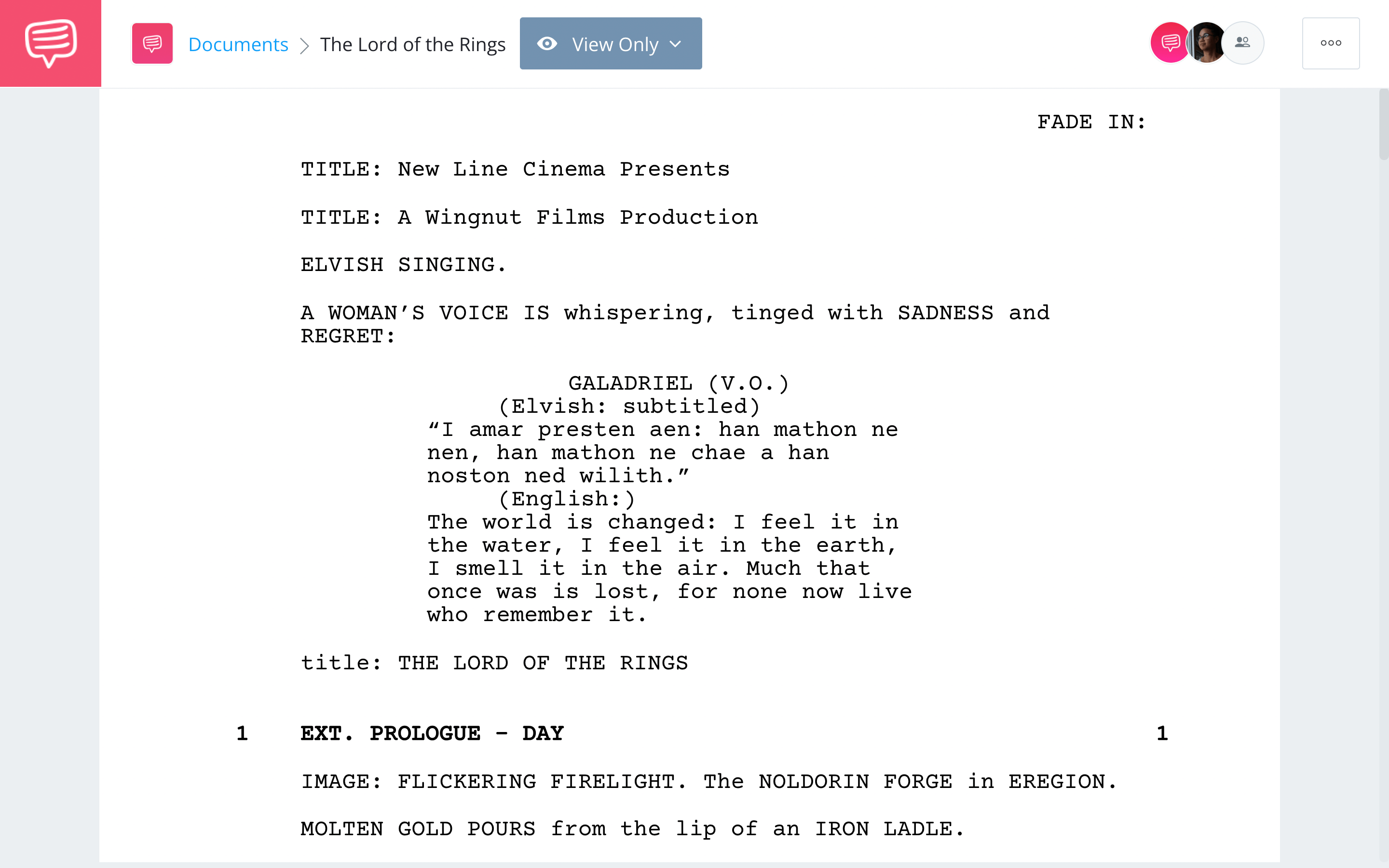
For reference, when writing the script, we took inspiration from
the way the "Lord of the Rings" script


Script: https://docs.google.com/document/d/13OZIax6zd7ojJjMm-Od20EVd05cAg01p6_-7iRB97N8/edit?usp=sharing


Saturday, February 15, 2025

Media Theories!!!


Hi there ^-^! Today, I want to dive into one of my absolute favorite media theories: Semiotics. Originally developed by Ferdinand de Saussure and later expanded by Roland Barthes and Jean Baudrillard, semiotics is the study of signs and symbols, and how they shape our perception of reality.

    At its very core, semiotics is the idea that everything in media—images, words, colors, sounds—functions as a sign that carries meaning. These signs are broken down into two main components:

  • The Signifier – The physical form of the sign 
  • The Signified – The meaning of the signifier in the mind of the viewer

    For example, a red rose (a signifier) might symbolize love or romance (the signified), but depending on the cultural context, it could also represent danger or politics. That’s the power of semiotics—it’s not just about what is shown, but how it’s interpreted. It also really ties into color theory in the media and how different colors can represent different social statuses.

I'd really really love to incorporate semiotics into this portfolio project because media doesn’t just tell stories. It holds implicit ideologies within in, along with biases and power structures. Whether it’s film, marketing, or social media, semiotic analysis helps unravel deeper meanings behind seemingly neutral visuals.

If I were to incorporate semiotics, this is how I'd use it:

  1. Deconstructing Anthropocentrism – Many mainstream narratives (that reflect the modern world) are centered upon the human experience and often marginalize or demonize non-human life. By analyzing the different "signs" used to depict animals, nature, and non-human entities, I can probably find hidden biases and offer alternatives. Personally, I could go on a rant about anthropocentrism, because it always goes deeper than these few sentences I'm giving you; I may write another blog post solely dedicated to that, though.

  2. Unpacking Political Violence – The way violence is depicted in the media isn’t just about what is shown, but how it is shown. A protester could be labeled as a "terrorist" or "freedom fighter," depending on the semiotic choices made in language and imagery; these "semiotic choices" could also manifest themselves in the form of racial profiling, etc. Identifying these coded messages is crucial for resisting media manipulation. A recent example of these kinds of depictions that comes to my mind is the story of Luigi Mangione; it's an interesting story... read about it! (excuse the Wikipedia link, it was the most "unbiased" source I could find.)

  3. Interrogating Oppression Across Species – Semiotics isn’t just about human culture; it extends to the way we conceptualize other species. Why are some animals seen as food while others are seen as companions? Where does the hierarchal system come from, and why are some animals treated more fairly than others?  Because these categorizations are part of a social construct, these ideas can also translate into human culture through things like racism or sexism.

Ironically enough, I found this meme explaining semiotics
(through Baudrillard's POV in his books)

Source: background knowledge, mostly from Jean Baudrillard's collection of books and independent research on anthropocentrism.

Friday, February 14, 2025

Project Idea

     Hello again! Today I will be actually discussing my portfolio project, and what it's all about! Just to refresh your mind, it's a psychological drama, and it's pretty damn freaky (thank you, Joaquin). It all takes place in the protagonist's house, starting off with an establishing shot of his room, which goes on to tell that his room is a reflection of his mind. 

    It's extremely messy, and it looks like a rage room, honestly. There's a door banging in the background, with barking accompanying it. At this point, we see our protagonist wake up, his eyes dart open and he rushes out of bed to put on the same clothes he's worn for a week straight and deals with the situation at the door, which gets pretty messy.

Reference for the "rage room" bit


Project Submission

 Hello, this is the link for my music video as well as all of the other requirements needed for the music promotion aspect of the project. F...